104 qubits: Nvidia and Jülich simulate a fault-tolerant quantum processor
The simulation runs on the JUPITER supercomputer and adds realistic noise, helping researchers refine designs before hardware is built.
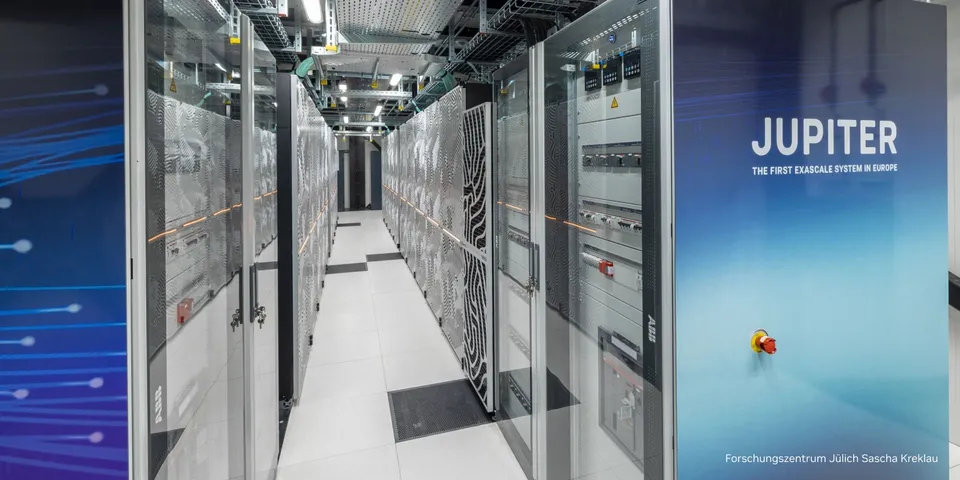
A quantum computer is a new kind of machine that still needs a lot of research. Scientists used a giant computer to test a design before building it. That saves time and finds mistakes early.
Hype check
Louder than it deserves. The real change is smaller.
Our editorial opinion, based on the sources below. How we score
Your call: hype or real?
Real = it will matter in daily use. Hype = louder than it is. One vote, and it can’t be changed.
Our view and readers’ views are opinions, not statements of fact about a product.
Why it matters
Testing a quantum design on a normal computer is faster and cheaper than building a quantum machine and finding problems later.
Watch: a research step toward useful quantum computers.
The details
- Nvidia calls it the largest comprehensive simulation of a fault-tolerant quantum processor to date.
- It used magic state cultivation, which needs 90% fewer qubits than earlier methods.
- It ran on JUPITER at the Jülich Supercomputing Centre, scaling to 8,192 GPUs.
- It cut weeks of work to days; an earlier simulation covered 50 qubits without noise.
- It uses the cuQuantum library and CUDA-Q.
Receipts
The company or lab said it. Primary source linked. Open the sources and check us.
Written with the help of AI tools and checked against the sources above. How we work
See a mistake? Tell us and we’ll fix it.